
A Discovery that Changed the World
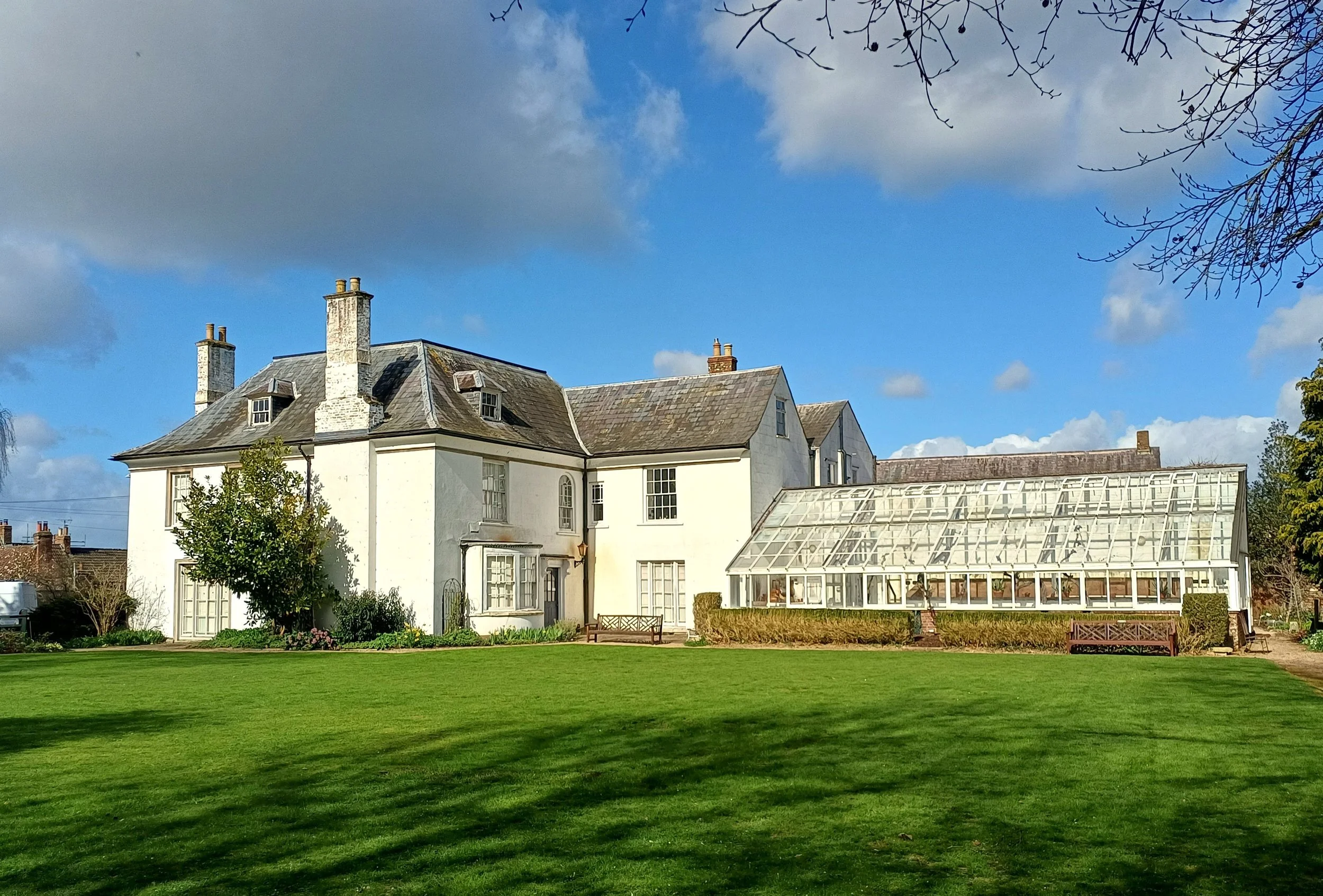
In 1796, Edward Jenner carried out the first vaccination at his home in Berkeley, Gloucestershire.
More than 200 years later, Dr Jenner’s House tells the story of how vaccination began and why it still matters today. Re-Jenner-ation is our programme to renew and reimagine the museum. We are working to care for the historic buildings and collections, improve the experience for visitors and create new opportunities for people to learn about vaccination, science and Jenner’s legacy. We are focused on completing this work in time for the 50th anniversary of smallpox eradication in 2030.
We need your help to make sure Dr Jenner’s House is here to tell its story for generations to come. Watch Museum Director, James Rodliff, explain why this place matters – and how you can support our Re-Jenner-ation.
Visit the home of Dr Edward Jenner, discover his pioneering work and enduring legacy in vaccination.
Opening Times: Sunday to Wednesday, 11am - 4pm (last entry at 3pm). More information on our Visit pages.
Tickets can be bought online or at the museum. Pre-booking is not required. Well behaved dogs on leads are welcome.
Can you spare 5 minutes to share your thoughts and help us understand what matters most to you about Dr Jenner’s House.


Discover Dr Jenner’s House Museum & Garden

House
Follow in the footsteps of Edward Jenner and find out how discoveries made in this very house still shape our lives today.

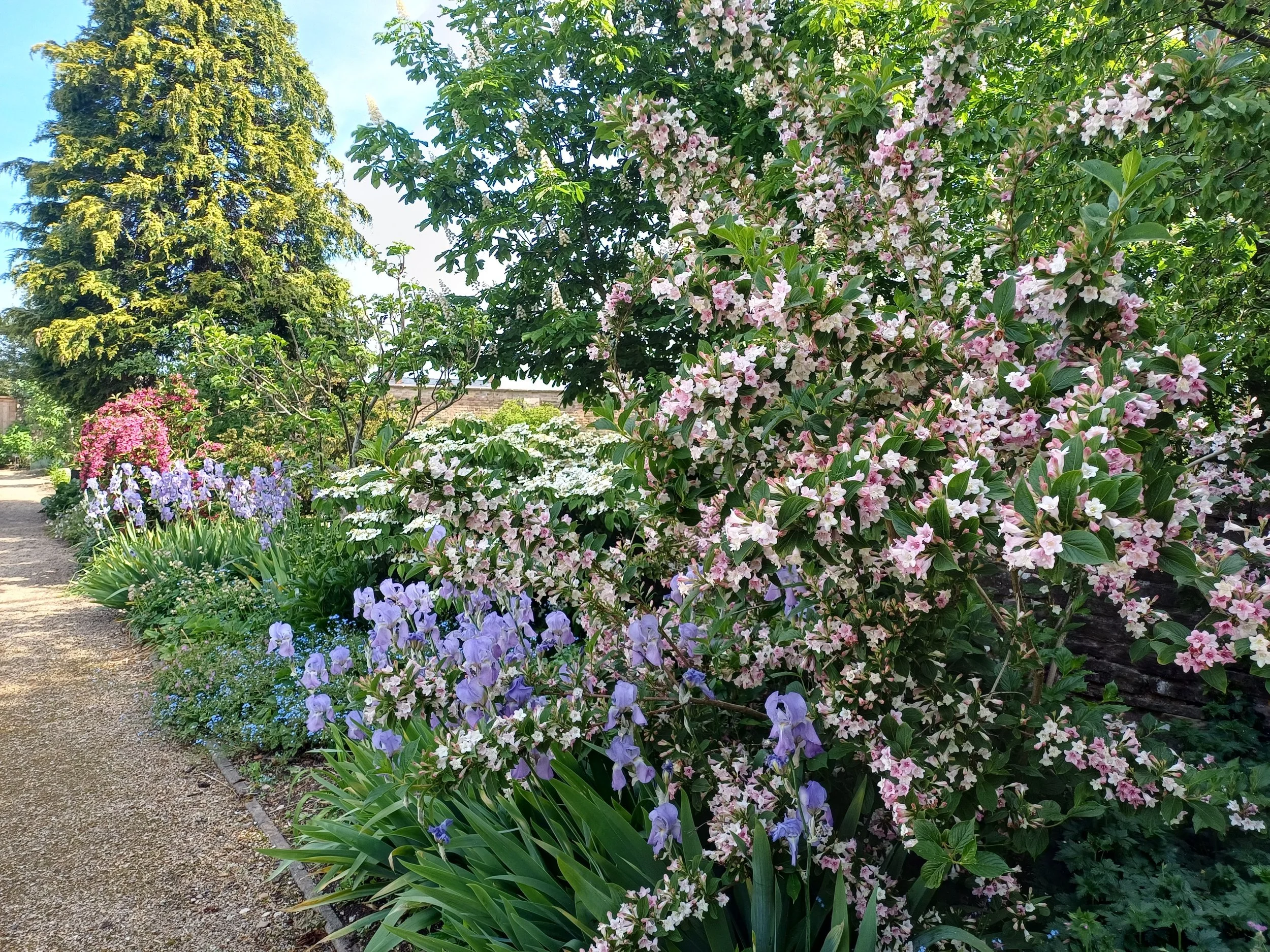
Garden
From winter snowdrops to autumn cyclamen, there’s colour throughout the year in Dr Jenner’s peaceful garden.

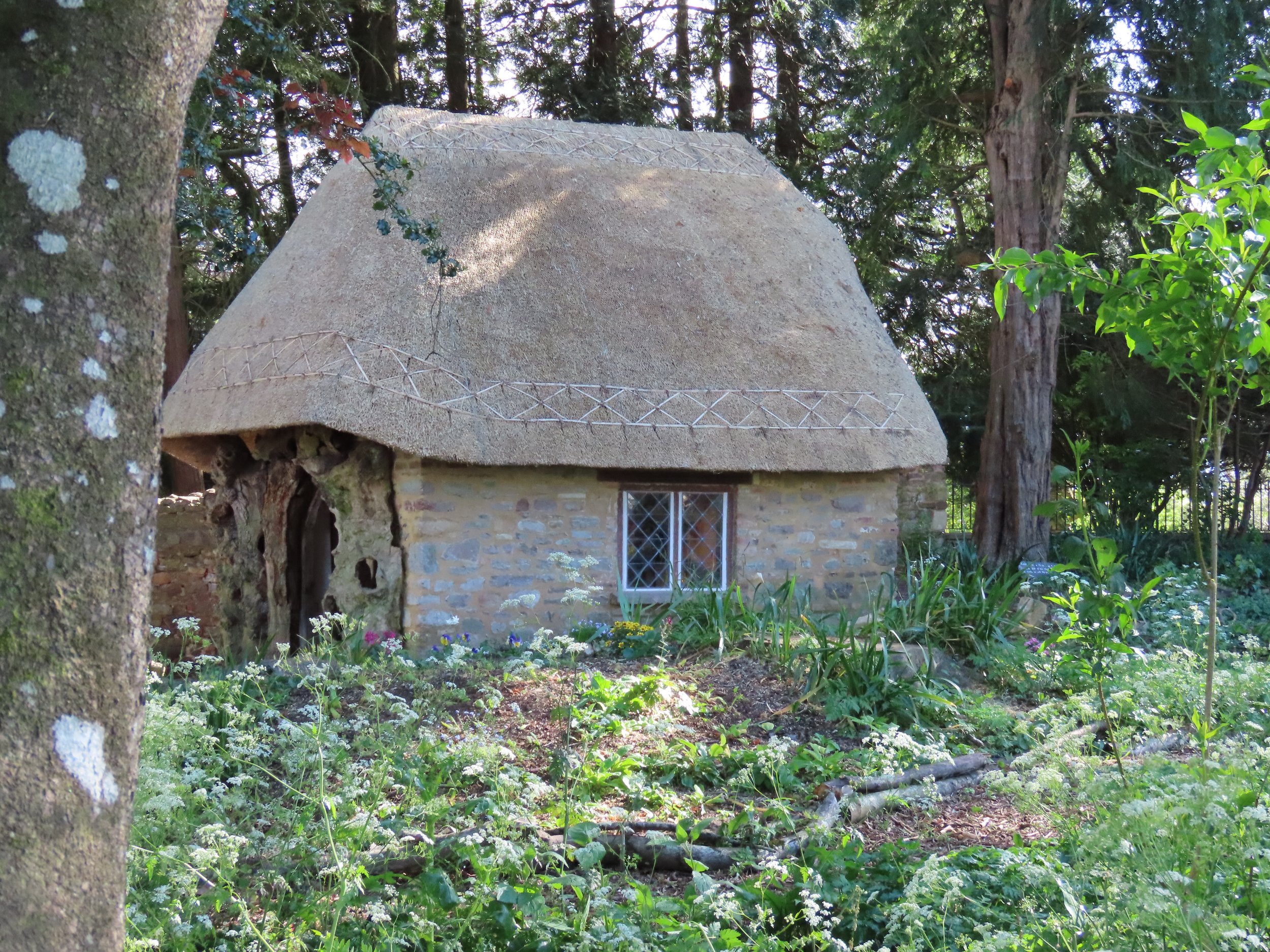
Temple of Vaccinia
Visit the rustic summerhouse used by Edward Jenner as the world’s first vaccination clinic.

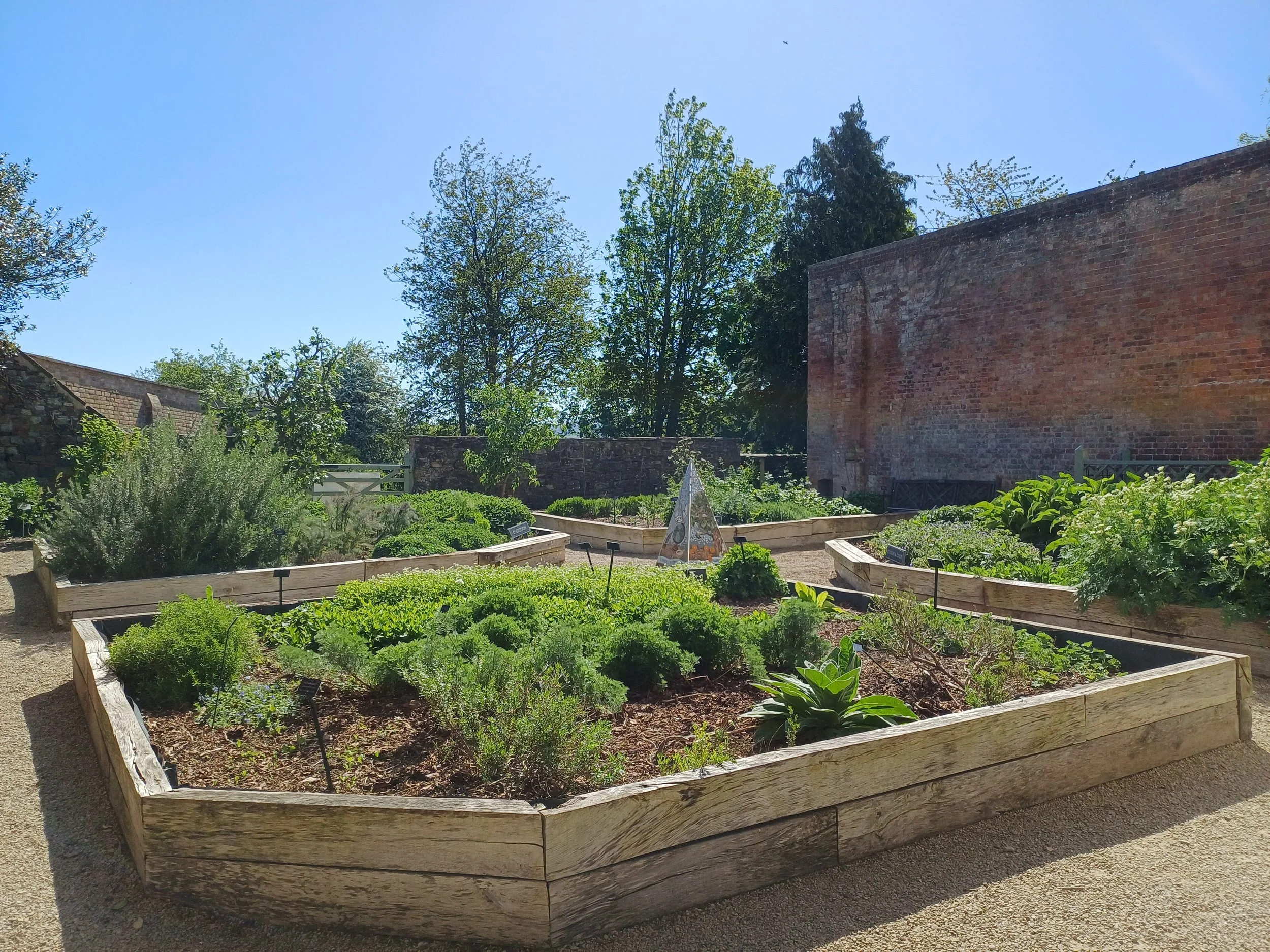
Physic Garden
A delight for all the senses, our Physic Garden contains a range of herbs that Edward Jenner may have used as a Georgian country doctor.